Make entrepreneurship something students can practise.
Universiti Malaya’s brief went beyond introducing the language of entrepreneurship. It wanted to encourage students to explore technology-led ventures and see another possible direction for their careers.
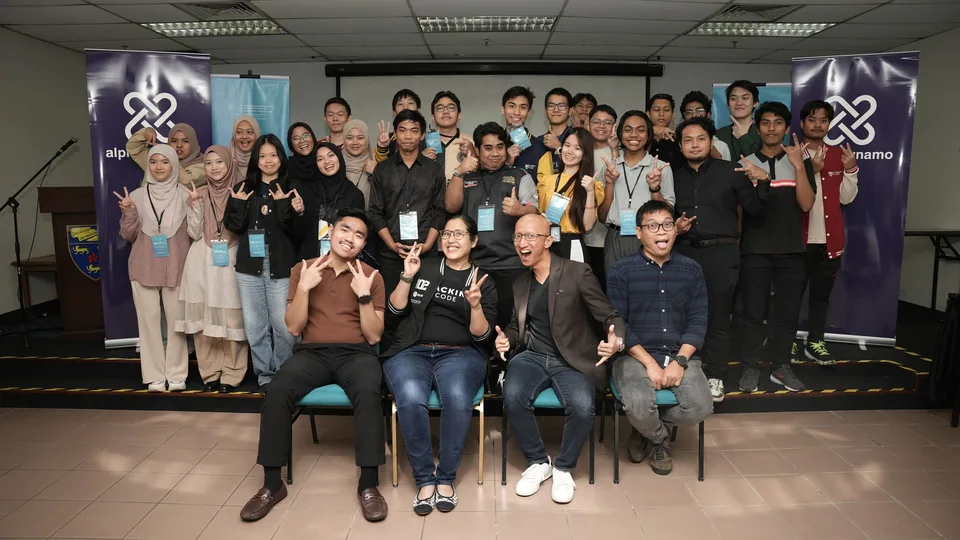
That called for more than a series of presentations. Participants needed a way to make choices: whose problem mattered, what was worth building, and how to explain the value of an idea to someone else. Alpha Dynamo shaped a three-day Design Thinking Bootcamp around that progression.
Start with the person. Finish with a pitch.
The work began with empathy: understanding a person’s situation before deciding what the solution should be. Participants then used tools such as the 5 Whys and an impact/effort matrix to identify and prioritise problems.
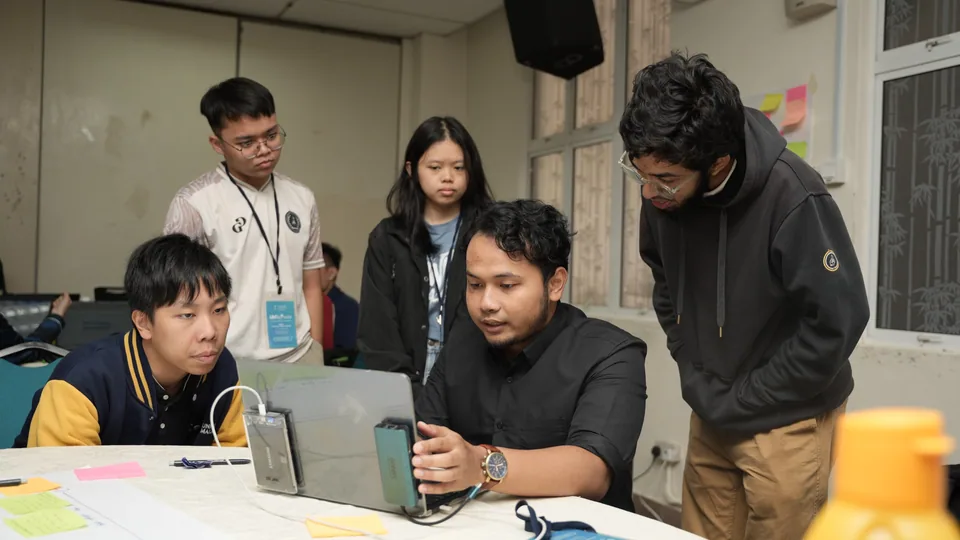
Prototyping made the discussion concrete. Teams worked on ideas together and considered whether a proposed solution addressed an essential need or offered a useful extra. A prototype gave them something to question and improve.
Business-model work connected the solution to the people it would serve and the way it might create value. The programme culminated in pitching: bringing the problem, proposed solution and business logic into a clear account that others could respond to.
A useful introduction. A clearer next step.
The overall survey returned a mean satisfaction score of 9.0 out of 10 from 17 respondents. All 17 rated the instructor Excellent, and 15 said they would recommend the workshop.
Across the four module surveys, participants valued empathy, practical problem-identification tools, collaboration and accessible explanations of business models. The module scores below retain their own response counts; they were collected separately from the overall survey.
| Module | Score | Responses |
|---|---|---|
| Understanding the Power of Empathy | 4.77/5 | 13 |
| Identifying Problems Worth Solving | 4.71/5 | 14 |
| Prototyping Effective Solutions | 4.75/5 | 12 |
| Building Business Models | 4.79/5 | 14 |
“It was super useful and incredibly beginner friendly.”
Participant / Universiti Malaya, January 2025
The next edition starts with listening.
Feedback also made the next improvements clear. Participants wanted more depth on pitching and more real-world examples. Scheduling near the end of the teaching term made attendance difficult for some students.
The post-evaluation report recommended follow-up measurement of how participants use what they learned, including the progress of projects or ventures after the workshop. That would add a longer-term view to the immediate participant feedback.
The practical lesson extends beyond a university cohort. Students, researchers and company teams all benefit from a structure that turns an interesting idea into something they can test, explain and take forward.
Evidence notes
- UM Design Thinking course proposalClient objectives and the intended learning journey. Used as background to the brief.
- Design Thinking Bootcamp — Post Evaluation Report, January 2025Teaching methods, module feedback and recommendations.
- UM January 2025 overall and module feedbackScores recalculated from the supplied CSV responses; counts are survey respondents, not attendance. Published quotation has recorded consent.
Feedback describes the programme experience. Survey response counts are separate from attendance, and intended outputs are separate from longer-term commercial outcomes.